The information on this website is general in nature and does not take into account your objectives, financial situation, or needs. Consider seeking personal advice from a licensed adviser before acting on any information.
Comprehensive and third party truck insurance protect against different risks. Understanding what each type may cover, where the gaps can be, and how your truck is used can help you compare policies more clearly.
Why the type of truck insurance matters
Truck insurance is an important safeguard for operators and businesses that rely on commercial vehicles on Australian roads. Trucks can be significant assets, and accidents, theft, vandalism, storms, fire and other incidents can create repair bills, replacement costs or liability claims.
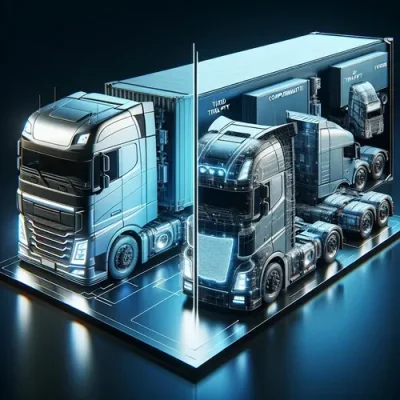
The main difference between comprehensive and third party truck insurance is the scope of protection. Comprehensive cover is broader and may include damage to your own truck as well as liability to others. Third party cover is narrower and is generally focused on damage or liability you cause to other people, vehicles or property.
There is no single policy type that suits every truck owner. The right level of cover depends on how the truck is used, its value, your ability to manage unexpected repair costs, and the risks your vehicle is exposed to in day-to-day operations.
Comprehensive truck insurance explained
Comprehensive truck insurance is designed to provide broad protection for truck owners. It generally extends beyond basic liability and can cover damage to your own vehicle, including in situations where you are at fault or where the damage is not caused by another insured driver.
What comprehensive cover may include
Policy terms vary, but comprehensive truck insurance may cover events such as:
- accidental damage to your truck;
- theft of the vehicle;
- vandalism;
- damage from natural events such as storm, flood or fire, where covered by the policy;
- liability for damage caused to third-party property; and
- additional features such as emergency roadside assistance, if included by the insurer.
Because the cover is broader, comprehensive insurance usually costs more than third party insurance. The higher premium needs to be weighed against the potential cost of repairing or replacing your own truck after an insured event.
When comprehensive insurance may be important
Comprehensive insurance may be especially relevant where the truck is a critical business asset. If a damaged or stolen truck would interrupt income, create operational delays or require expensive repairs, broader cover may help reduce the financial strain of an insured event.
Examples of situations where comprehensive cover may be useful include a truck damaged in a severe storm, a vehicle vandalised while parked overnight, or a truck stolen from a depot or worksite. It may also be relevant where damage is caused by another driver who is uninsured, subject to the policy terms.
Third party truck insurance explained
Third party truck insurance is a more limited form of cover. It is generally designed to protect you against liabilities arising from damage your truck causes to other vehicles or property. Depending on the policy, it may also respond to certain claims involving third parties.
What third party cover may include
Third party truck insurance may cover:
- damage your truck causes to another vehicle;
- damage your truck causes to other property; and
- legal liability for covered third-party claims, subject to the wording of the policy.
The main advantage of third party insurance is that it is typically more affordable than comprehensive insurance. For some truck owners, it can provide a level of liability protection while keeping premiums lower.
Limitations of relying only on third party insurance
The key limitation is that third party insurance generally does not cover repairs or replacement of your own truck. If your vehicle is damaged in an accident, stolen, vandalised, or affected by a natural event, those costs may be yours to manage unless the policy includes specific additional benefits.
This can create a significant out-of-pocket exposure. A lower premium may be attractive, but it is important to consider whether you could fund repairs or replacement if your own truck was badly damaged or unavailable for work.
Comprehensive vs third party truck insurance at a glance
| Feature |
Comprehensive truck insurance |
Third party truck insurance |
| General purpose |
Broader protection for your own truck and third-party liabilities. |
Liability-focused protection for damage caused to others. |
| Damage to your own truck |
May be covered for insured events such as accident damage, theft, vandalism and some natural events. |
Generally not covered. |
| Damage to others |
May include third-party property damage liability. |
Typically the main focus of the cover. |
| Premium level |
Usually higher because the cover is broader. |
Usually lower because the cover is narrower. |
| Main risk to consider |
Paying for cover you may not need if your truck is low value or your exposure is limited. |
Large out-of-pocket costs if your own truck is damaged or stolen. |
What affects the cost of truck insurance?
The cost of truck insurance depends on the policy type and the risk profile of the vehicle and operator. Comprehensive cover is usually more expensive because it may cover your own truck as well as third-party liability. Third party cover is generally cheaper because the scope is narrower.
Factors that may influence premiums include:
- the age and condition of the truck;
- the truck's value and repair cost;
- how the truck is used in the business;
- the distances travelled and types of roads used;
- the driver's history; and
- the size of the truck and the potential scale of third-party damage in an accident.
For a closer look at rating considerations, see this guide to factors that influence truck insurance premiums. You can also use the truck insurance calculator to think through possible cover levels for trucks, trailers, accessories and related business needs.
Common misconceptions about comprehensive and third party cover
One common misconception is that comprehensive insurance is automatically the better choice because it covers more. Broader cover can be valuable, but it also usually comes with a higher premium. The benefit depends on the truck's value, the role it plays in the business and the financial impact of a loss.
Another misconception is that third party insurance is always the smarter financial choice because it costs less upfront. A lower premium may help with cash flow, but it may also leave you responsible for repairing or replacing your own truck after an uninsured loss.
It is also important not to assume that either policy covers every possible event. Comprehensive and third party policies both have limits, exclusions, excesses and conditions. Reading the product terms is essential before relying on any cover.
How to decide which cover to compare
Choosing between comprehensive and third party truck insurance starts with a practical assessment of your truck, your work and your financial exposure. The aim is to match the level of cover to the risks you want to insure, rather than focusing only on the lowest premium.
Questions to ask before choosing
- How often is the truck used, and how far does it travel?
- What types of roads, worksites or locations does it regularly operate in?
- How much would it cost to repair or replace the truck?
- Could the business continue operating if the truck was unavailable?
- Could you fund repairs yourself if you selected third party cover only?
- Is the truck newer, higher value or essential to daily income?
- Are theft, vandalism, storms, fire or other non-collision risks a concern?
When comparing policies
When you compare truck insurance quotes, look beyond the headline premium. Check what is covered, what is excluded, how the excess applies, and whether optional benefits such as roadside assistance are included or available at additional cost.
It may also help to review your insurance budget as part of your wider operating costs. This guide on budgeting for truck insurance costs explains how premiums can fit into business planning.
If the policy terms are difficult to compare, an insurance professional can help explain the differences between cover types. You can also read more about the role of truck insurance brokers when assessing policy options.
Review your cover as your business changes
Your insurance needs can change over time. A truck that was once low value may become more important to operations, or a business may begin travelling longer distances, using different roads or taking on different work. These changes can affect the level of risk and the type of cover that may be appropriate.
Regularly reviewing your policy helps ensure the cover still reflects how the truck is used, what it is worth, and how much financial risk you are prepared to retain yourself.
Key takeaways
- Comprehensive truck insurance generally provides broader protection, including cover for your own truck and third-party liabilities.
- Third party truck insurance is usually more limited and focuses on damage or liability caused to others.
- Comprehensive cover usually costs more, while third party cover may leave you with larger out-of-pocket costs if your own truck is damaged.
- The decision should consider the truck's value, business importance, usage, risk exposure and your ability to pay for unexpected repairs.
- Policy wording matters. Always check inclusions, exclusions, excesses and optional benefits before relying on a policy.
Published: Monday, 31st Mar 2025
Author: Paige Estritori



No comments yet. Be the first to share your thoughts.