
Insurance For Trucks :: News
SHARE

Share this news item!

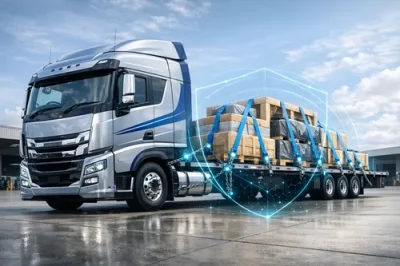
Why load restraint is an insurance issue for truck operators

Securing freight properly can protect more than the load

Why load restraint is an insurance issue for truck operators?w=400

The information on this website is general in nature and does not take into account your objectives, financial situation, or needs. Consider seeking personal advice from a licensed adviser before acting on any information.

Recent transport industry reporting has again drawn attention to load restraint, with regulators and enforcement agencies continuing to highlight the risks created by poorly secured freight.
For Australian truck operators, the issue is broader than avoiding roadside penalties.
A load that moves, spills or falls can quickly become a vehicle damage, cargo, public liability, injury and business interruption problem.

Load restraint sits at the intersection of safety, compliance and commercial risk. Even where a driver believes the freight is secure, insurers may look closely at whether suitable equipment was used, whether the load was checked during the journey, and whether the operator had clear procedures for the freight being carried. This is especially important for mixed loads, machinery, construction materials, livestock equipment, refrigerated goods and freight that changes weight distribution as it moves.

From an insurance perspective, unsecured or shifting freight can complicate a claim. An insurer may need to consider whether the load was restrained in line with applicable standards, whether the driver completed appropriate checks, and whether the operator’s procedures were followed. That can affect the claims process, especially where damaged cargo, third-party property damage, injury exposure or recovery costs are involved.

Operators should treat load restraint as part of daily risk management, not a one-off compliance exercise. Practical steps include:

  • matching restraint equipment to the freight type, vehicle body and route conditions;
  • keeping records of driver training, toolbox talks and loading procedures;
  • checking straps, chains, gates, curtains, anchor points and tensioning devices for wear;
  • documenting pre-start and in-transit load checks where appropriate;
  • reviewing customer loading practices where consignors or site staff assist with loading.

There is also a financial planning angle. A serious load-shift incident can damage trailers, gates, curtains, bodies, refrigeration equipment and onboard technology, not just the cargo itself. If insured values are outdated, the settlement may not reflect current replacement costs, so operators should regularly estimate a realistic sum insured and review limits for freight, downtime and liability exposures.

For fleets, load restraint performance can also feed into broader insurer risk assessments. Repeated incidents, poor documentation or inconsistent driver practices may suggest weak controls, while strong systems can support a more favourable discussion at renewal. For owner-drivers and small transport businesses, the same principle applies: good evidence can help demonstrate that the business is managed professionally, even without the resources of a larger fleet.

The takeaway is practical. Load restraint should be reviewed alongside maintenance, driver management, route planning and contract requirements. If the freight being carried has changed, if new trailers have been added, or if customers are asking operators to carry unfamiliar loads, insurance settings should be checked before an incident tests the policy.

Published:Thursday, 27th Aug 2026
Author: Paige Estritori

Please Note: We do not endorse any specific products or companies. Some content is sourced from third parties, including press releases, and may not be independently verified for accuracy or completeness.

Share this news item:

Rate this article

0 Comments

No comments yet. Be the first to share your thoughts.

Insurance News

What Electric Heavy Vehicles Mean for Truck Insurance
10 Sep 2026: Paige Estritori
Recent transport and fleet industry coverage continues to point to a steady increase in electric and low-emission heavy vehicles across Australian logistics operations. For many operators, the attraction is clear: quieter vehicles, lower tailpipe emissions, potential fuel savings and stronger alignment with customer sustainability targets. But the insurance conversation is now becoming more detailed than simply replacing a diesel truck with an electric one. - read more
Why Claims Delays Are a Wake-Up Call for Truck Operators
03 Sep 2026: Paige Estritori
Fresh industry reporting on insurance dispute volumes has again put claim handling under the microscope, with delays, communication gaps and disagreements over policy response continuing to frustrate policyholders. For transport businesses, the issue is especially important because a commercial vehicle claim is rarely just about repairing metal. A grounded truck can interrupt contracts, leave freight undelivered and place immediate pressure on cash flow. - read more
Why load restraint is an insurance issue for truck operators
27 Aug 2026: Paige Estritori
Recent transport industry reporting has again drawn attention to load restraint, with regulators and enforcement agencies continuing to highlight the risks created by poorly secured freight. For Australian truck operators, the issue is broader than avoiding roadside penalties. A load that moves, spills or falls can quickly become a vehicle damage, cargo, public liability, injury and business interruption problem. - read more
Why roadworthiness checks are an insurance issue for truck operators
20 Aug 2026: Paige Estritori
Recent transport industry coverage has again highlighted regulator attention on heavy vehicle roadworthiness, with roadside checks, defect management and maintenance systems remaining central safety themes for Australian operators. For trucking businesses, the message is not limited to avoiding fines or delays. Roadworthiness can also influence how insurers view risk, how smoothly a claim progresses and whether policy conditions have been met after an incident. - read more
What electronic work diaries mean for truck insurance
13 Aug 2026: Paige Estritori
Recent transport industry coverage has again put electronic work diaries in the spotlight, as more heavy vehicle operators look for practical ways to manage fatigue obligations without relying solely on paper records. For Australian trucking businesses, the shift is more than an administrative upgrade. It has direct implications for compliance evidence, driver management, incident investigation and the way insurers assess operational risk. - read more
Why AI dash cameras are becoming an insurance issue for truck fleets
05 Aug 2026: Paige Estritori
The latest fleet technology coverage points to a clear shift in Australian transport: AI-enabled dash cameras, telematics and connected maintenance platforms are moving from optional extras to everyday risk-management tools. For truck operators, the insurance implications are becoming harder to ignore. - read more


Truck Insurance Articles

How Truck Insurance Claims Work in Australia
Truck insurance claims can involve safety checks, evidence gathering, policy review, assessment, repairs, liability decisions and settlement. This guide explains the usual process for Australian truck operators after an accident, theft or damage event. - read more
Top Factors That Influence Truck Insurance Premiums
Truck insurance is more than just a legal requirement; it's a crucial part of securing your livelihood as a truck owner in Australia. Understanding the costs involved not only helps you budget effectively but also ensures you’re not caught off guard by unexpected expenses. By grasping what your premiums cover and what factors influence them, you can make informed decisions that align with your financial goals. - read more
How to Budget for Truck Insurance Costs
Truck insurance can be a significant operating cost for owners and businesses that rely on trucks. Understanding what influences premiums, what cover you may need and how to review policy options can help you plan a more realistic insurance budget. - read more
Why Investing Time in Researching Truck Insurance Can Save You Money
Truck insurance is a critical concern for both business owners and individual operators within Australia. Given the significant investment that a truck represents, safeguarding this asset with appropriate insurance coverage is not just prudent, but necessary. - read more
Add Practical Risk Management Sections to the Existing Article on Truck Insurance Premiums
Truck insurance costs can change as your vehicles, drivers, routes, loads and claims history change. This guide explains hidden policy costs and practical risk management factors that Australian owner-drivers, small transport businesses and fleet operators can review before renewal. - read more
What Does Truck Insurance Cover in Australia?
Truck insurance can cover a range of risks for Australian commercial truck operators, from vehicle damage and third-party property claims to trailers, freight, downtime and liability exposures. The exact protection depends on the policy, insurer and how the truck is used. - read more
Your free Truck Insurance quote comparison starts here!
First Name:
Postcode:

All quotes are provided obligation-free by a participating broker from our national referral partner network. We respect your Privacy.


Knowledgebase
Umbrella Policy:
An additional insurance policy that provides extra liability coverage beyond the limits of the insured's primary policies.