
Insurance For Trucks :: News
SHARE

Share this news item!

South Australia Implements Heavy Vehicle Reforms to Address Fuel Crisis

New Regulations Permit Longer, Heavier Trucks to Enhance Fuel Efficiency

South Australia Implements Heavy Vehicle Reforms to Address Fuel Crisis?w=400

The information on this website is general in nature and does not take into account your objectives, financial situation, or needs. Consider seeking personal advice from a licensed adviser before acting on any information.

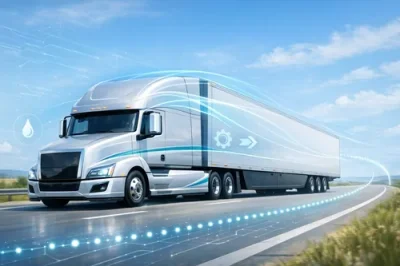
In response to escalating fuel prices, the South Australian government has expedited reforms to heavy vehicle regulations, now permitting longer and heavier trucks on the state's roads.
This initiative aims to alleviate the financial strain on the trucking industry by enhancing fuel efficiency and reducing operational costs.

The newly implemented reforms are projected to decrease fuel consumption by up to 18%, as fewer trips will be required to transport the same volume of goods. Additionally, the government has expanded the network of roads accessible to these larger vehicles, particularly in rural and remote areas, thereby improving logistical efficiency.

Industry representatives have largely welcomed these changes. The Motor Trade Association SA/NT highlighted that allowing larger trucks will facilitate more efficient movement of goods across the state. Similarly, the South Australian Road Transport Association noted that livestock haulers would benefit from the expanded road access and the ability to transport different types of livestock simultaneously, leading to cost savings.

However, some operators remain cautious. Robin Hughes, a truck owner from Booleroo Centre, expressed concerns about the immediate benefits for small businesses. He pointed out that without existing compatible trailers, the financial outlay required to invest in new equipment might outweigh the potential savings from increased load capacities.

There are also considerations regarding road wear and safety. While the introduction of heavier trucks could potentially impact road conditions, industry experts suggest that the reduction in the number of trips may offset this effect. The Royal Automobile Association (RAA) has committed to monitoring road conditions to ensure safety standards are maintained.

For trucking businesses, these reforms present an opportunity to reassess operational strategies. Investing in compatible equipment and optimizing logistics could lead to significant fuel savings and improved profitability. However, it's crucial for operators to weigh the initial investment costs against the projected benefits and to stay informed about any further regulatory changes.

Published:Saturday, 16th May 2026
Author: Paige Estritori

Please Note: We do not endorse any specific products or companies. Some content is sourced from third parties, including press releases, and may not be independently verified for accuracy or completeness.

Share this news item:

Rate this article

0 Comments

No comments yet. Be the first to share your thoughts.

Insurance News

Isuzu Recall Puts Software Risk on the Insurance Radar
05 Nov 2026: Paige Estritori
A fresh Australian Government vehicle recall for selected Isuzu MY25 trucks is a timely reminder that modern heavy vehicle risk is no longer limited to tyres, brakes, steering, driver behaviour or road conditions. Software faults can also create safety exposures that matter for fleet operations, incident investigations and insurance conversations. - read more
Crash Data Shows Where Truck Risk Is Shifting
29 Oct 2026: Paige Estritori
The 2026 National Truck Accident Research Centre major incident report gives Australian truck operators a useful, if challenging, snapshot of where serious heavy vehicle risk is changing. Released in October 2026 and based on de-identified NTI-insured heavy vehicle major-loss claims, the report points to progress on distraction and fatigue, while also highlighting renewed concern about inappropriate speed and following distance. - read more
How Softer Truck Sales Can Affect Insurance Decisions
17 Sep 2026: Paige Estritori
Recent transport industry sales updates point to a more selective new-truck market, with operators weighing replacement timing against finance costs, emissions planning, availability and contract confidence. For truck businesses, that matters well beyond the showroom. A change in buying momentum can flow through to vehicle values, repair economics, insurer appetite and the way fleets should set insurance sums before renewal. - read more
What Electric Heavy Vehicles Mean for Truck Insurance
10 Sep 2026: Paige Estritori
Recent transport and fleet industry coverage continues to point to a steady increase in electric and low-emission heavy vehicles across Australian logistics operations. For many operators, the attraction is clear: quieter vehicles, lower tailpipe emissions, potential fuel savings and stronger alignment with customer sustainability targets. But the insurance conversation is now becoming more detailed than simply replacing a diesel truck with an electric one. - read more
Why Claims Delays Are a Wake-Up Call for Truck Operators
03 Sep 2026: Paige Estritori
Fresh industry reporting on insurance dispute volumes has again put claim handling under the microscope, with delays, communication gaps and disagreements over policy response continuing to frustrate policyholders. For transport businesses, the issue is especially important because a commercial vehicle claim is rarely just about repairing metal. A grounded truck can interrupt contracts, leave freight undelivered and place immediate pressure on cash flow. - read more
Why load restraint is an insurance issue for truck operators
27 Aug 2026: Paige Estritori
Recent transport industry reporting has again drawn attention to load restraint, with regulators and enforcement agencies continuing to highlight the risks created by poorly secured freight. For Australian truck operators, the issue is broader than avoiding roadside penalties. A load that moves, spills or falls can quickly become a vehicle damage, cargo, public liability, injury and business interruption problem. - read more


Truck Insurance Articles

Add Practical Risk Management Sections to the Existing Article on Truck Insurance Premiums
Truck insurance costs can change as your vehicles, drivers, routes, loads and claims history change. This guide explains hidden policy costs and practical risk management factors that Australian owner-drivers, small transport businesses and fleet operators can review before renewal. - read more
What Does Truck Insurance Cover in Australia?
Truck insurance can cover a range of risks for Australian commercial truck operators, from vehicle damage and third-party property claims to trailers, freight, downtime and liability exposures. The exact protection depends on the policy, insurer and how the truck is used. - read more
How Truck Insurance Claims Work in Australia
Truck insurance claims can involve safety checks, evidence gathering, policy review, assessment, repairs, liability decisions and settlement. This guide explains the usual process for Australian truck operators after an accident, theft or damage event. - read more
Comprehensive vs Third Party Truck Insurance: How to Compare Your Options
Comprehensive and third party truck insurance protect against different risks. Understanding what each type may cover, where the gaps can be, and how your truck is used can help you compare policies more clearly. - read more
Top Factors That Influence Truck Insurance Premiums
Truck insurance is more than just a legal requirement; it's a crucial part of securing your livelihood as a truck owner in Australia. Understanding the costs involved not only helps you budget effectively but also ensures you’re not caught off guard by unexpected expenses. By grasping what your premiums cover and what factors influence them, you can make informed decisions that align with your financial goals. - read more
Why Investing Time in Researching Truck Insurance Can Save You Money
Truck insurance is a critical concern for both business owners and individual operators within Australia. Given the significant investment that a truck represents, safeguarding this asset with appropriate insurance coverage is not just prudent, but necessary. - read more
First Name:
Postcode:

All quotes are provided obligation-free by a participating broker from our national referral partner network. We respect your Privacy.


Knowledgebase
Insurance Underwriter:
An insurance company, a financial institution that sells insurance.